Well winter seems to be officially over here in Houston. We had a good run, hit some freezing temperatures, but yesterday we were up in the 80s. I moved the tomatoes outside, moved the mint inside, and now it’s warm and humid enough to make bread making super easy. These houses aren’t really built for heat retention so when it’s cold it’s difficult to keep it warm enough for dough to proof at anything other than a glacial pace. I was going to grab a sandwich bread recipe from King Arthur, but then I remembered that my grandma had a ton of bread recipes. Her recipe titled “Bread” is one of the most complicated ingredient lists I’ve ever seen so I’m going with “Basic Loaf.” It is in fact basic but molasses in bread is a new ingredient to me so I’m interested to see what it does.
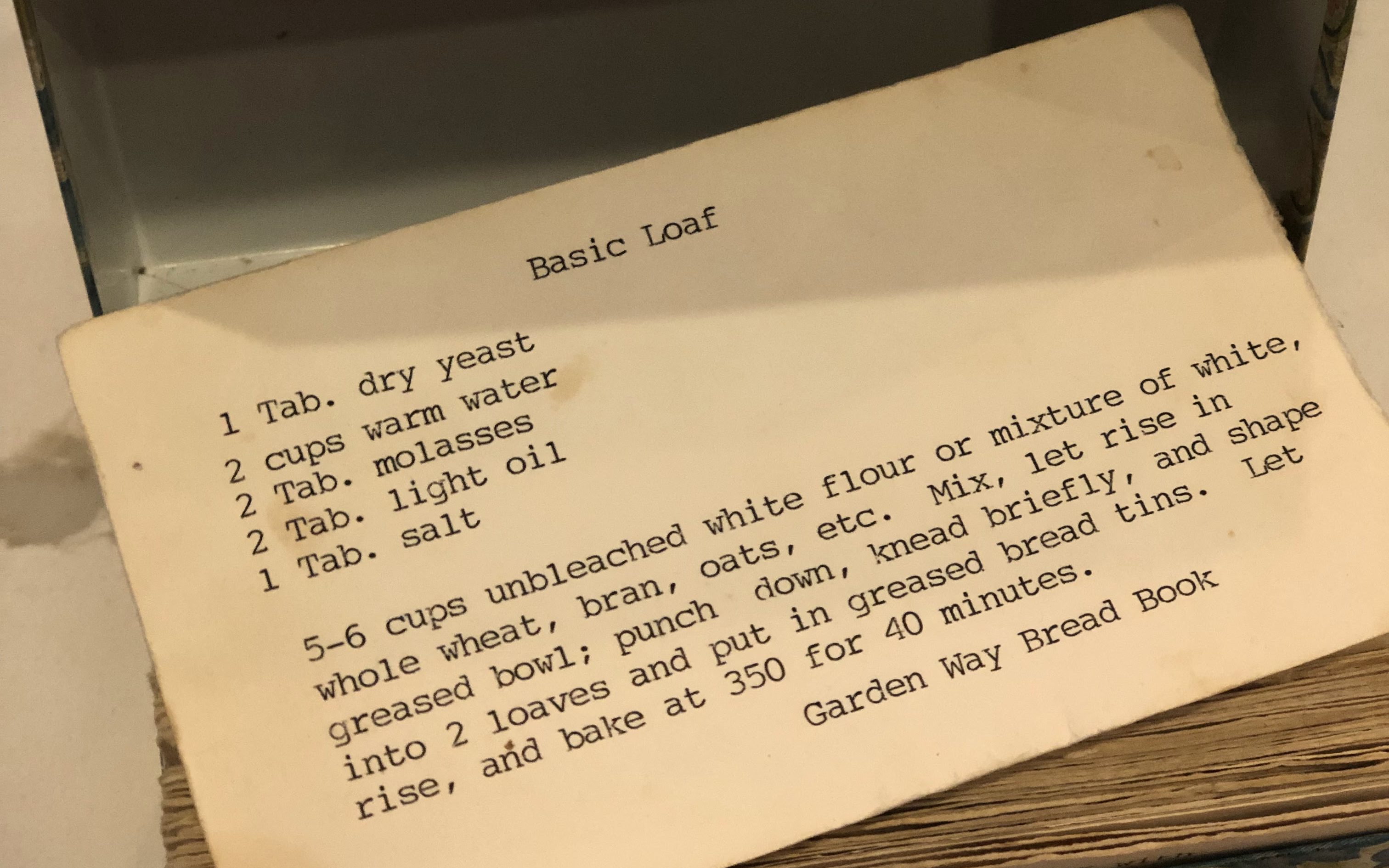
Original Recipe
Ingredients
1 Tab. dry yeast
2 cups warm water
2 Tab. molasses
2 Tab. light oil
1 Tab. salt
Instructions (plus a first mention of a major ingredient)
5-6 cups unbleached white flour or mixture of white, whole wheat, bran, oats, etc. Mix, let rise in greased bowl; punch down, knead briefly, and shape into 2 loaves and put in greased bread tins. Let rise, and bake at 350 for 40 minutes.
So we were given one time here, and it is an important one, but we’ll have to figure out the rising times on our own apparently. I’m interested in the high salt and yeast measurements, but not mad about it. I do usually up the salt in any recipe but with a tablespoon I think I’ll leave it as is. I’m also noticing that 5-6 cups of flour is a pretty big range. I’m going 6 because of the humidity but may have to give it some time to hydrate before kneading, I’m not as worried about going high with the flour since there’s molasses and oil to soften the loaf.


Reflections
Current conditions inside are 73 degrees Fahrenheit and 73% humidity. Outside it is 76 and 80% so odds are wherever you are you’ll want to cut back on the flour a bit.
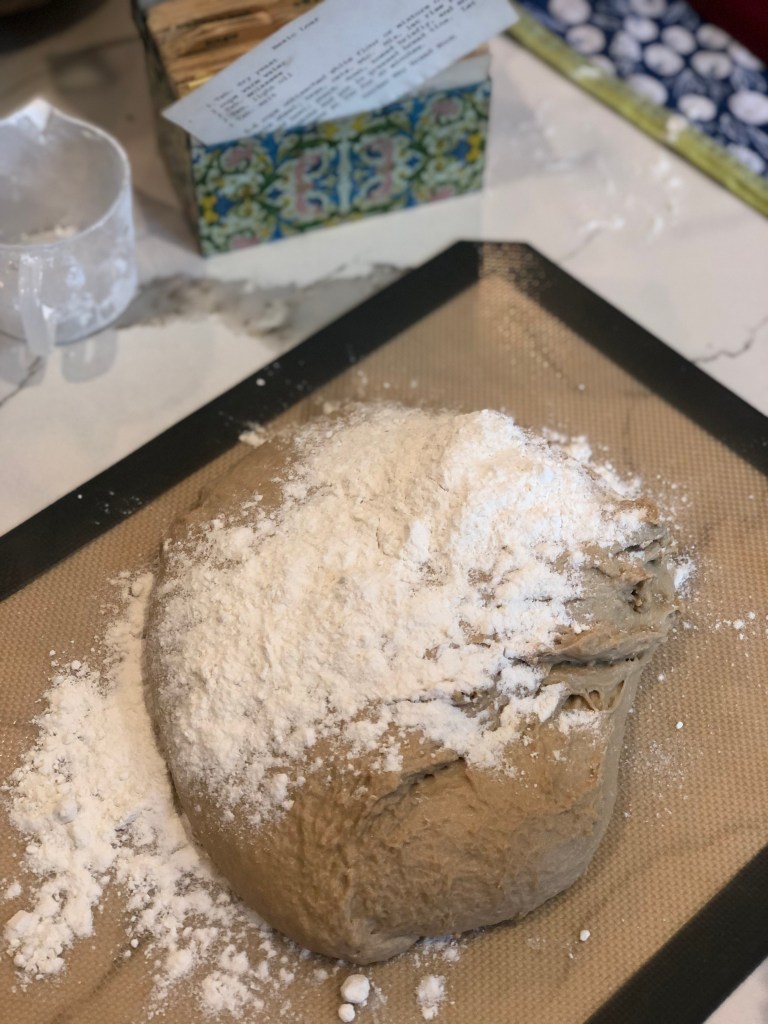
When I was concerned about this being too much flour I did not take into account the fact that two cups of a water is a lot of water. So the dough is actually quite soft. I ended up having to go up half a cup in flour but again I am making bread at between 73 and 80% humidity so err on the side of less flour and add more as you knead (and need). Some current comparative humidities from the locations I have saved in my weather app: 54% in Bridport, VT, 67% in Seattle, 23% in Long Beach, CA. So there’s a lot of extra water in the air here in HTX.
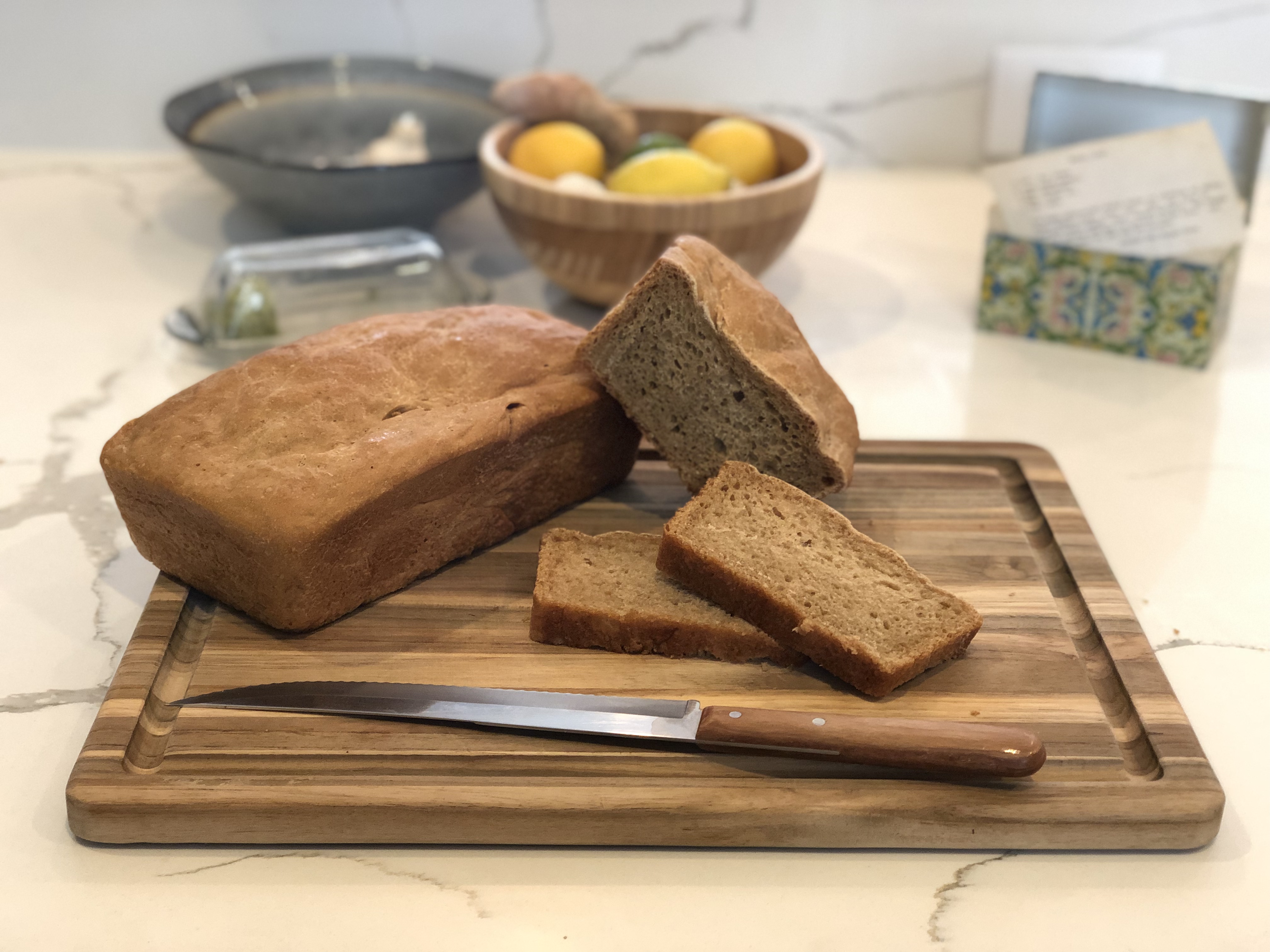
The molasses makes the dough a really deep golden color and as I was kneading it it smelled amazing. The final product had elements of sourdough in that it was more complex and had a deeper flavor than most bread. The salt and molasses turned out to be a great balance.
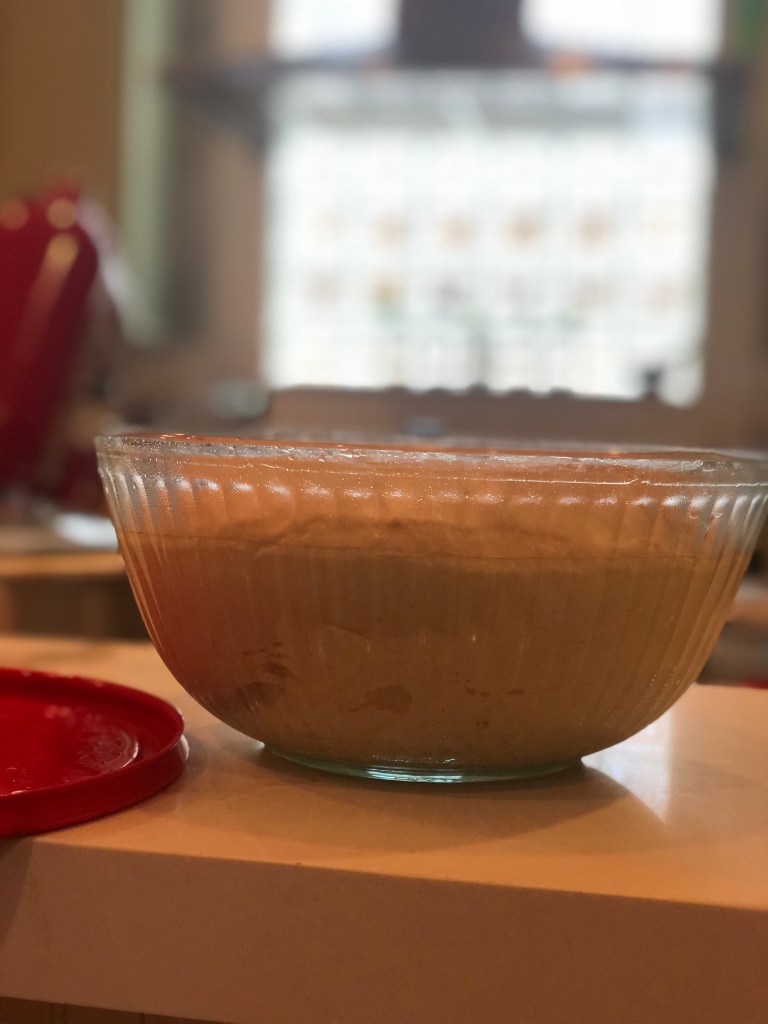
Basic Loaf Recipe
- 6 1/2 cups (780 g) AP flour (divided)
- 1 tablespoon (9 g) instant yeast
- 2 cups (454 g) warm water
- 2 tablespoons (40 g) molasses
- 2 tablespoons (29 g) vegetable oil
- 1 tablespoon (18 g) salt
- In a stand mixer combine 6 cups (720 g) flour with remaining ingredients. Reserve 1/2 cup (60 g) flour for kneading. With a dough hook mix at low speed until combined and then bring up to medium speed and mix until dough begins to slap the sides of the bowl. Turn out onto clean surface lightly dusted with reserved flour.
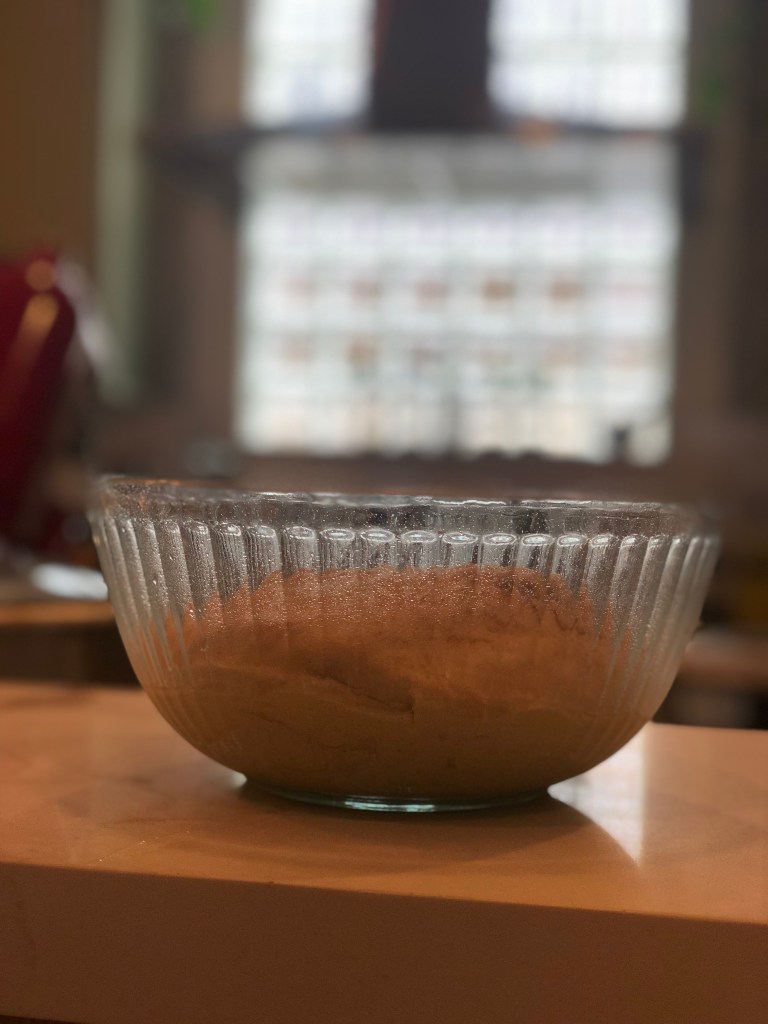
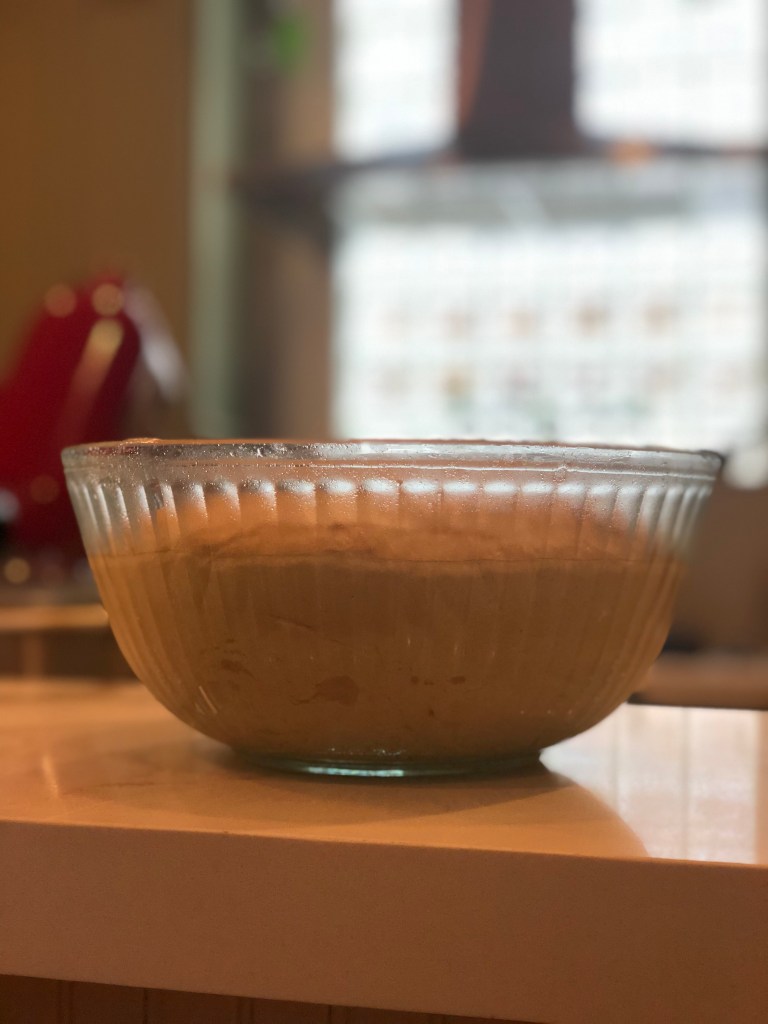
- Knead for 5 minutes, adding flour as necessary until dough is smooth and elastic. Place in a lightly greased bowl, cover with plastic wrap or a damp towel and let rise until approximately doubled in size, between an hour and 90 minutes.
- Gently deflate, divide in half and shape into 2 loaves. Place in greased bread tins, cover and let rise until dough is 1/2 inch to an inch above the edge of the tin, about 90 minutes. During last half hour of the proof preheat oven to 350 F.
- Bake for 40 minutes. Bread is done when it sounds hollow when you knock on it and/or the internal temp measures at least 190. Crust should be golden brown.
 vtx kitchen